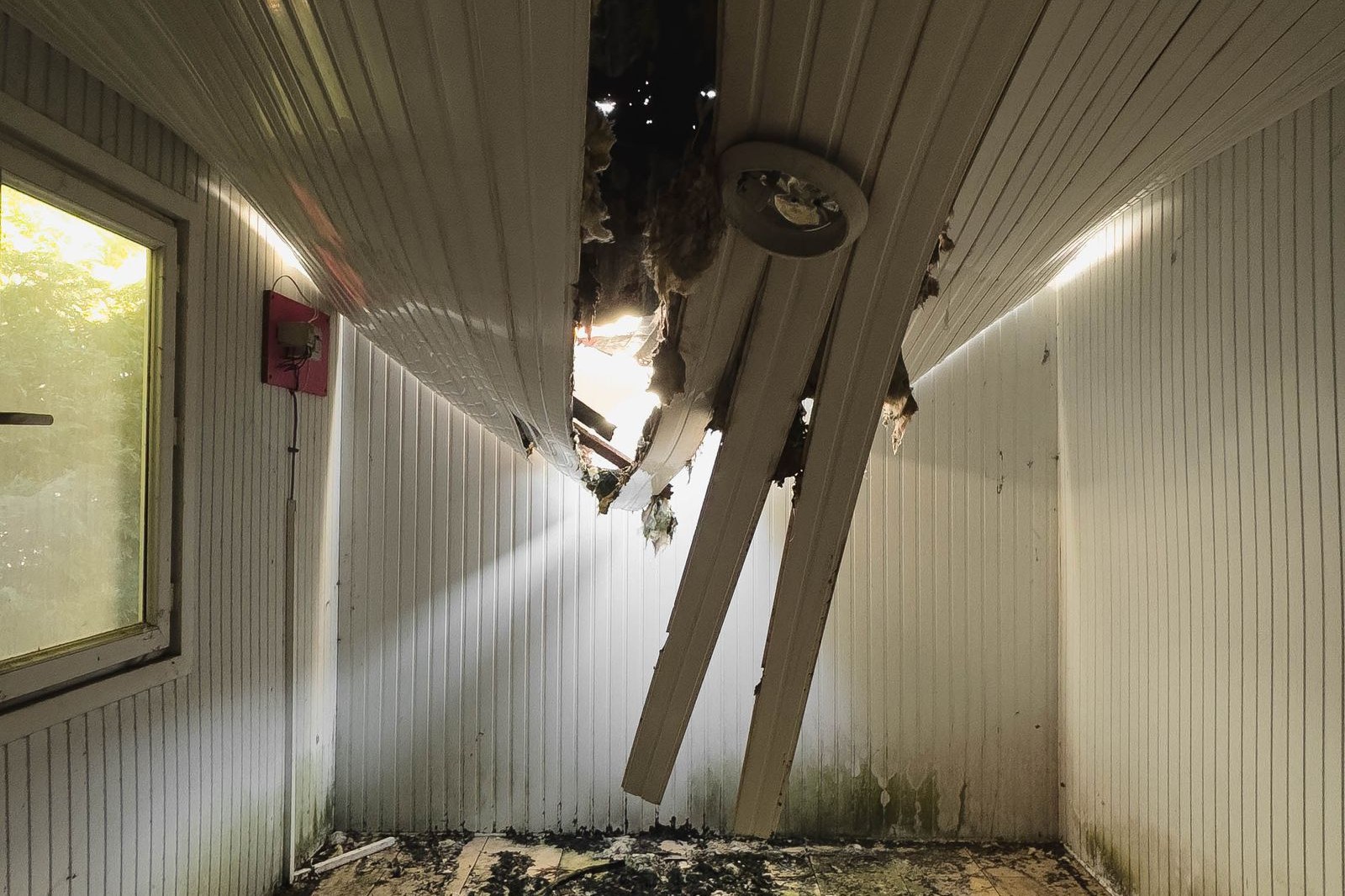
Water Damage Restoration in Fort Myers, FL
Burst pipe, flood, roof leak, or AC failure — water damage in Fort Myers spreads fast in the heat and humidity. Call to connect with a local provider who extracts the water, dries the structure until moisture readings confirm it is dry, and repairs what was damaged.
Once the phone line is live, you'll be connected with a local restoration provider — please stay on the line.
See Mold Removal- Water, fire & mold restoration
- Fort Myers, Naples & nearby areas
- Assessment first, then a clear plan
Water Damage in Fort Myers: The Local Picture
Water damage restoration in Fort Myers means removing the water, drying the structure, and repairing what was damaged — in a climate where mold can start within 24 to 48 hours. The job is not finished when the floor looks dry. It is finished when moisture readings confirm the walls, floors, and framing are dry. Fort Myers Water Damage Pros connects callers with local providers for water damage restoration in Fort Myers and across Southwest Florida.
Fort Myers at a Glance
- Service area: Fort Myers, Naples, Fort Myers Beach, and North Fort Myers — 29 ZIP codes in the Fort Myers and Naples coverage areas, listed on the locations page.
- Common causes: burst pipes, appliance and supply-line leaks, AC condensate failures, roof leaks, slab leaks, storm surge, and retention-pond overflow.
- Drying time: structural drying typically takes 3 to 5 days.
Fort Myers sits at about 11 feet of elevation, but drainage — not elevation — decides what floods here. Hurricane surge pushes up canals and the Caloosahatchee River, heavy rain overwhelms retention ponds, roof damage lets rain into attics and walls, and air conditioners in seasonally vacant homes fail quietly for weeks, dripping condensate into ceilings and floors. Lanai and enclosure leaks are common too. After Hurricane Ian in September 2022, surge flooded Fort Myers Beach and the riverfront, and many homes are still being rebuilt.
What Causes Water Damage in Fort Myers & Lee County
- Burst pipes and supply lines — washing machine hoses, refrigerator water lines, and toilet supply lines fail without warning.
- Appliance leaks — dishwashers, water heaters, and washing machines leak slowly into floors and walls before anyone notices.
- AC condensate failures — clogged drain lines and failed condensate pumps are a Fort Myers classic, especially in homes left empty for the summer.
- Roof leaks — storm-damaged roofs let rain into attics, down walls, and into ceilings.
- Slab leaks — water lines under the concrete slab leak upward into flooring.
- Storm and hurricane surge — surge along canals and the waterfront, and heavy rain that retention ponds cannot hold.
- Lanai and enclosure leaks — screen enclosures and lanai roofs leak into the house in driving rain.
The Three Categories of Water Damage
Restoration work is handled by water category, because the category decides what can be saved and how the cleanup has to be done.
| Category | What It Is | How It Is Handled |
|---|---|---|
| Category 1 — Clean water | Water from a supply line, tap, or rainwater that has not picked up contaminants. | Extract, dry, and monitor. Most materials can often be saved if drying starts fast. |
| Category 2 — Gray water | Water from appliances, overflows, or washing machines. Carries contaminants. | Extract, clean, and dry. Porous materials are often removed. |
| Category 3 — Black water | Sewage backup and floodwater. Contaminated and a health risk. | Strictest handling. Porous materials are removed, the area is cleaned and dried, and the source is fixed. |
One warning that matters in Florida heat: clean water degrades to Category 2 within 24 to 48 hours if it sits. A small clean-water leak that waits the weekend becomes a bigger, dirtier job.
Services Available
Each service below is part of the same job — assessment first, then removal, drying, and repair. Local providers handle each of them in Fort Myers and the nearby areas.
Water Removal & Water Extraction
Standing water is removed with extraction equipment, starting with the rooms where water is still moving. The faster extraction starts, the less has to be torn out later. Drywall wicks water upward, so extraction and moisture mapping decide how far the water travelled.
Flood Damage Restoration
Floodwater is Category 3 water. Porous materials that soaked it up — drywall, insulation, carpet padding — are removed, usually 12 to 24 inches above the high-water mark, and the structure is cleaned and dried.
Sewage Cleanup
Sewage backup is contaminated water and a health risk. Stop using water in the house, keep people out, and do not try to clean it with a household wet vacuum. Affected porous materials are discarded, the area is cleaned and dried, and the cause is fixed.
Burst Pipe & Plumbing Leak Cleanup
Shut off the main if it can be found — in Florida it is often outside. Then extraction and drying, with moisture mapping to find where the water travelled behind walls and under floors.
Storm Damage Cleanup
Surge and wind-driven rain enter through roofs, windows, and doors. The work is the same — extract, dry, repair — but storm jobs often need temporary protection first, like tarping, so the next rain does not undo the drying.
Emergency Water Removal
When water is still moving or standing water is on the floor, removal starts with extraction and moisture mapping. The first 24 hours decide how far the damage spreads.
Structural Drying & Dehumidification
Air movers and dehumidifiers dry walls, floors, and framing over typically 3 to 5 days. Moisture meters decide when drying is done — not how the surface feels.
Roof, Ceiling, Wall & Hidden Water Damage
Water hides behind drywall, under flooring, and in ceilings. Moisture detection with meters and thermal imaging finds it before it becomes mold. Hidden water is the most common reason a small leak turns into a big job.
AC, HVAC & Appliance Leak Cleanup
Condensate drain failures, overflowing drain pans, and appliance leaks are dried and cleaned, and the failed part is identified so the leak does not return.
Commercial Water Damage Restoration
Offices, restaurants, retail, and hotels need the same work on a larger footprint — with drying planned around keeping as much of the business open as possible.
Condo & High-Rise Water Damage
Water in a condo migrates vertically: a leak on one floor becomes a ceiling stain two floors down. Multi-unit jobs need moisture mapping across units and coordination with the association.
How Water Damage Restoration Works
- RemovalStanding water is extracted and wet materials that cannot be saved are removed.
- CleanupThe affected area is cleaned, and contaminated materials are handled by category.
- Structural dryingAir movers and dehumidifiers run for typically 3 to 5 days. Moisture readings confirm dry — not when surfaces feel dry.
- RepairDrywall, flooring, trim, and finishes are repaired and rebuilt.
What to Do While Waiting for Help
If it is safe: stop the water at its source, cut power to wet areas only from a dry spot, photograph and video everything before moving things, and move valuables to a dry place. Do not walk through sewage or floodwater, and do not run the air conditioner if the ducts may be wet or contaminated.
Property Types Served
Single-family homes, condos, townhomes, apartments, HOA communities, vacation rentals, hotels and offices, and restaurants and retail. The work is the same; the footprint and the coordination are what change.
Water damage rarely stays a water problem. If mold is already growing, see the mold removal page. If the damage came from a fire, see the fire damage restoration page. For the areas served, see Fort Myers, Naples, and all locations. The homepage explains how the referral service connects callers with local providers for water damage restoration in Fort Myers.
Frequently Asked Questions
How much does water damage restoration cost in Fort Myers?
Costs vary by the water category, the size of the wet area, and what has to be removed and rebuilt. Only an assessment fixes a price for a specific job. Local restoration pros typically offer free estimates.
How long does water damage restoration take?
Removal and cleanup usually happen first, then structural drying, which typically takes 3 to 5 days. Repairs come after drying is verified. Larger jobs, sewage contamination, or hidden water behind walls and under floors take longer.
What are the three categories of water damage?
Category 1 is clean water from a supply line or tap. Category 2 is gray water from appliances or overflows, which carries contaminants. Category 3 is black water — sewage or floodwater — which is contaminated and needs the strictest handling. Clean water can degrade to Category 2 within 24 to 48 hours in Florida heat, so speed matters.
Does insurance cover water damage restoration?
Sudden and accidental damage, like a burst pipe or storm damage, is usually covered by homeowners insurance. Gradual leaks and neglect usually are not, and rising floodwater needs separate flood insurance. Local providers document the damage and the drying process so there are records for a claim.
Can mold grow after water damage?
Yes — mold can start within 24 to 48 hours of moisture. That is why drying and moisture checks are part of every water job, not an extra. If mold is already visible, the job also needs mold removal.
Can floors and walls be saved after water damage?
Sometimes. Hard surfaces often dry out and survive; porous materials like drywall, insulation, and carpet padding often have to be removed, especially after Category 2 or 3 water. Hardwood floors can sometimes be saved if drying starts fast — cupping and buckling decide. Drywall water damage usually means cutting out the wet section above the water line. A water damage ceiling after a roof leak often hides wet insulation above it. Moisture meters and thermal imaging show what is wet behind the surface, so the decision is based on readings, not guessing.
What information should I have ready when calling?
Where the water came from, when it was first noticed, whether the source is stopped, which rooms are affected, and photos if available. That is enough to start an assessment.
Can I dry water damage myself with fans?
A small spill on a hard floor, yes. Soaked drywall, wood, carpet padding, or water inside a wall cavity, no — fans alone move air but do not confirm dry. That needs extraction equipment, dehumidifiers, and moisture readings to confirm the structure is actually dry.
What are the signs of hidden water damage?
A musty smell, bubbling paint, sagging drywall, a stain that keeps coming back, warped or cupped flooring, and dampness behind baseboards. Moisture detection with meters and thermal imaging finds water behind walls and under floors before it becomes mold.
What should I NOT do after water damage?
Do not wait for it to dry on its own — in Florida humidity it will not, and mold can start within 24 to 48 hours. Do not use a household vacuum on standing water. Do not paint over a wet stain. Do not throw items away before photographing them for the claim. Do not ignore a musty smell a day later.
I smell a musty odor after a leak — what does it mean?
A musty smell after a leak often means hidden moisture or mold — mold follows the water, and the visible patch is often the smallest part of it. The smell alone cannot say how far it spread; moisture mapping finds where the water travelled.
Do local providers handle sewage backup cleanup?
Yes. Sewage backup is Category 3 black water: contaminated, and not a job for a household wet vacuum. Affected porous materials are removed, the area is cleaned and dried, and the moisture source is fixed.
Start With an Assessment
Call and describe what happened, where it happened, and when it was first noticed. A local provider assesses first, then lays out the next steps clearly — no guesswork, no pressure. Local restoration pros typically offer free estimates.
Once the phone line is live, you'll be connected with a local restoration provider — please stay on the line.