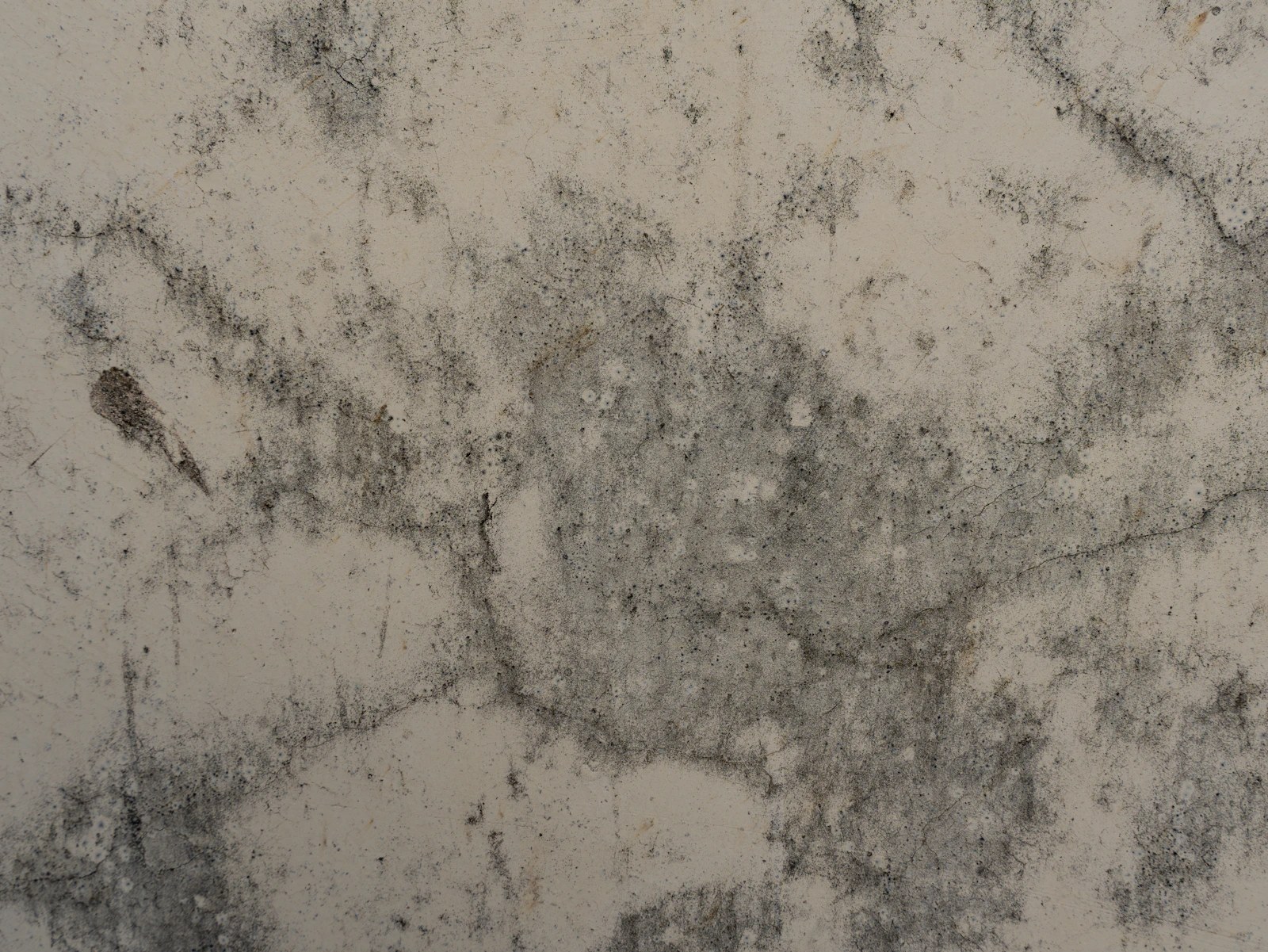
Mold Removal in Fort Myers, FL
Mold in Fort Myers grows fast — within 24 to 48 hours of moisture in this humidity. Call to connect with a local provider who inspects, contains, removes, and dries, and fixes the moisture source, because mold comes back if the water problem stays.
Once the phone line is live, you'll be connected with a local restoration provider — please stay on the line.
See Water Damage Services- Water, fire & mold restoration
- Fort Myers, Naples & nearby areas
- Assessment first, then a clear plan
Mold in Southwest Florida
Mold is a moisture problem, not just a cleaning problem. In Fort Myers, humidity runs above 70 percent for much of the year, the mold season lasts all 12 months, and a leak, a failed AC drain, or a flooded room can start growth within 24 to 48 hours. Remove the mold without fixing the water, and it comes back. Fort Myers Water Damage Pros connects callers with local providers for mold removal in Fort Myers and the nearby areas.
Common moisture sources here: flooding and roof leaks, sewer backups, humidifiers, crawl spaces, AC and dryer venting, and slab-on-grade moisture wicking up through the floor. Closed-up vacation homes are a special case — an AC failure in an empty house can run for weeks before anyone opens the door. After Hurricane Ian, rushed dry-outs hid mold inside walls, and buyers of repaired flood houses now ask for a second opinion before they buy.
Mold hides. It grows behind drywall, above ceilings, under flooring, and inside air ducts and HVAC systems. A musty smell is often the first sign — and the visible patch is often the smallest part of it. Mold follows the water: find the water, and the mold map follows.
Mold Inspection vs Testing vs Remediation
These are three different things, and mixing them up costs money.
| Step | What It Is | When It Is Needed |
|---|---|---|
| Inspection | A walkthrough with moisture mapping and a written plan. Non-invasive, no lab sampling. | First step, always. Finds the moisture source and the extent of growth. |
| Testing | Lab samples that identify mold species and concentration. | When the type or extent is unclear, or for clearance after remediation. If mold is visible, sampling is usually unnecessary. |
| Remediation / removal | Containment, removal of contaminated materials, cleaning, HEPA filtration, and drying. | When growth is larger than a small patch, inside walls or HVAC, or from sewage or flooding. |
Florida law: under Florida Statute §468.8411, mold assessment and remediation involving more than 10 square feet must be done by a licensed professional. Under §468.8419, the assessor and the remediator must be separate parties on the same property within 12 months — the person who inspects the mold cannot be the person who removes it. That separation exists so the inspection stays independent.
How Mold Removal Works
- AssessInspect, map the moisture, and find the source. No removal starts before the water problem is understood.
- ContainSeal off the work area with containment and negative air so spores do not spread to clean rooms.
- RemoveTake out porous materials that cannot be cleaned — drywall, insulation, carpet — and clean what remains.
- Clean & filterHEPA vacuuming and filtration, with protective equipment, until the area is clean.
- Dry & fix the sourceDry the structure and fix the leak, the drain, or the ventilation problem — or the mold returns.
- VerifyPost-remediation verification, including third-party testing where needed, confirms the job is done.
Where Mold Hides in Fort Myers Homes
Air ducts and HVAC systems, attics, crawl spaces, behind drywall and under flooring, and anywhere airflow is poor. Dehumidifiers help where airflow cannot be fixed. Severe jobs can take up to a week; most single-room jobs are shorter.
Mold in Crawl Spaces & HVAC Systems
Crawl space mold grows where moisture is trapped under the house and airflow is poor. HVAC mold grows inside air handlers and ductwork, and the system then spreads spores through the house every time it runs. Both need the same work: containment, removal, cleaning, drying, and fixing the moisture source — and the HVAC system stays off until it has been checked.
Black Mold
Black mold is usually Stachybotrys, a mold that grows on very wet materials like soaked drywall. It gets stricter containment and protection, but it is treated like other mold in one important way: insurance looks at the cause of the moisture, not the colour of the mold. Health questions are for a doctor — general guidance from the EPA and CDC is that mold can cause allergic and respiratory symptoms, especially for people with asthma or weakened immune systems. Bleach only turns it white: bleach lightens the colour on tile but does not penetrate drywall or wood, so the mold returns within weeks. Don't paint over mold — it traps moisture and the mold returns.
Mold After Water Damage
Most mold jobs in Fort Myers start as water jobs: a leak, a flood, or an AC failure that nobody noticed for a few days. That is why water damage work includes drying and moisture checks — to stop mold before it starts. If the water damage is still the problem, start on the water damage restoration page. For the areas served, see Fort Myers, Naples, and all locations. The homepage explains how the referral service connects callers with local providers for mold removal in Fort Myers.
Do not scrub dried mold. Dry scrubbing spreads spores through the air. A professional assessment comes first — especially when the mold is inside walls, in the HVAC system, or came from sewage or flooding.
Frequently Asked Questions
I found black mold — what do I do?
Do not scrape or sand it: that spreads spores. Find and stop the water first — mold without moisture cannot grow, and mold with moisture always comes back. If the area is small and on a hard surface, it may be a DIY job with protection; if it is in walls, in the HVAC, or from sewage or flooding, call for a professional assessment.
How much does mold remediation cost in Florida?
Costs vary by the size of the affected area, whether the mold is inside walls or the HVAC system, and what has to be removed and rebuilt. Only an assessment fixes a price for a specific job. Local restoration pros typically offer free estimates.
What is the difference between mold inspection and mold testing?
An inspection is a walkthrough with moisture mapping and a written plan. Testing means lab samples to identify species and concentration. If mold is visible, sampling is usually unnecessary — and a five-minute air sample on its own means little. In Florida, the assessor and the remediator must be separate parties on the same property within 12 months.
Does insurance cover mold remediation?
Only if the mold came from a sudden covered event, like a burst pipe. Mold from a gradual leak is usually not covered, and flood policies do not cover mold. Many policies cap mold coverage. The cause of the mold decides — not the colour.
Will mold come back after remediation?
Yes, if the moisture source is not fixed. Painting over mold and bleaching porous materials are the two expensive mistakes: bleach lightens the colour on tile but does not penetrate drywall or wood, so the mold returns within weeks. Keep indoor humidity below 60 percent.
Is black mold dangerous?
Black mold is usually Stachybotrys, a mold that grows on very wet materials. Health effects are a medical question — general guidance from the EPA and CDC is that mold can cause allergic and respiratory symptoms, especially for people with asthma or weakened immune systems. If anyone in the house has symptoms, talk to a doctor, and get the mold assessed.
How can mold be prevented after water damage?
Stop the water source, extract the water, and dry thoroughly before the 24 to 48 hour window closes. Hidden pockets behind cabinets and drywall matter most — that is where moisture detection with meters finds water the eye cannot see. Keep indoor humidity below 60 percent once the structure is dry.
Can I remove mold myself?
A small patch under 10 square feet on a hard surface is often a DIY job with gloves, eye protection, and a mask. Call for a professional assessment when the area is larger, the mold is inside walls or the HVAC system, it came from sewage or flooding, or someone in the house has asthma or immune problems.
Start With an Assessment
Call and describe what happened, where it happened, and when it was first noticed. A local provider assesses first, then lays out the next steps clearly — no guesswork, no pressure. Local restoration pros typically offer free estimates.
Once the phone line is live, you'll be connected with a local restoration provider — please stay on the line.