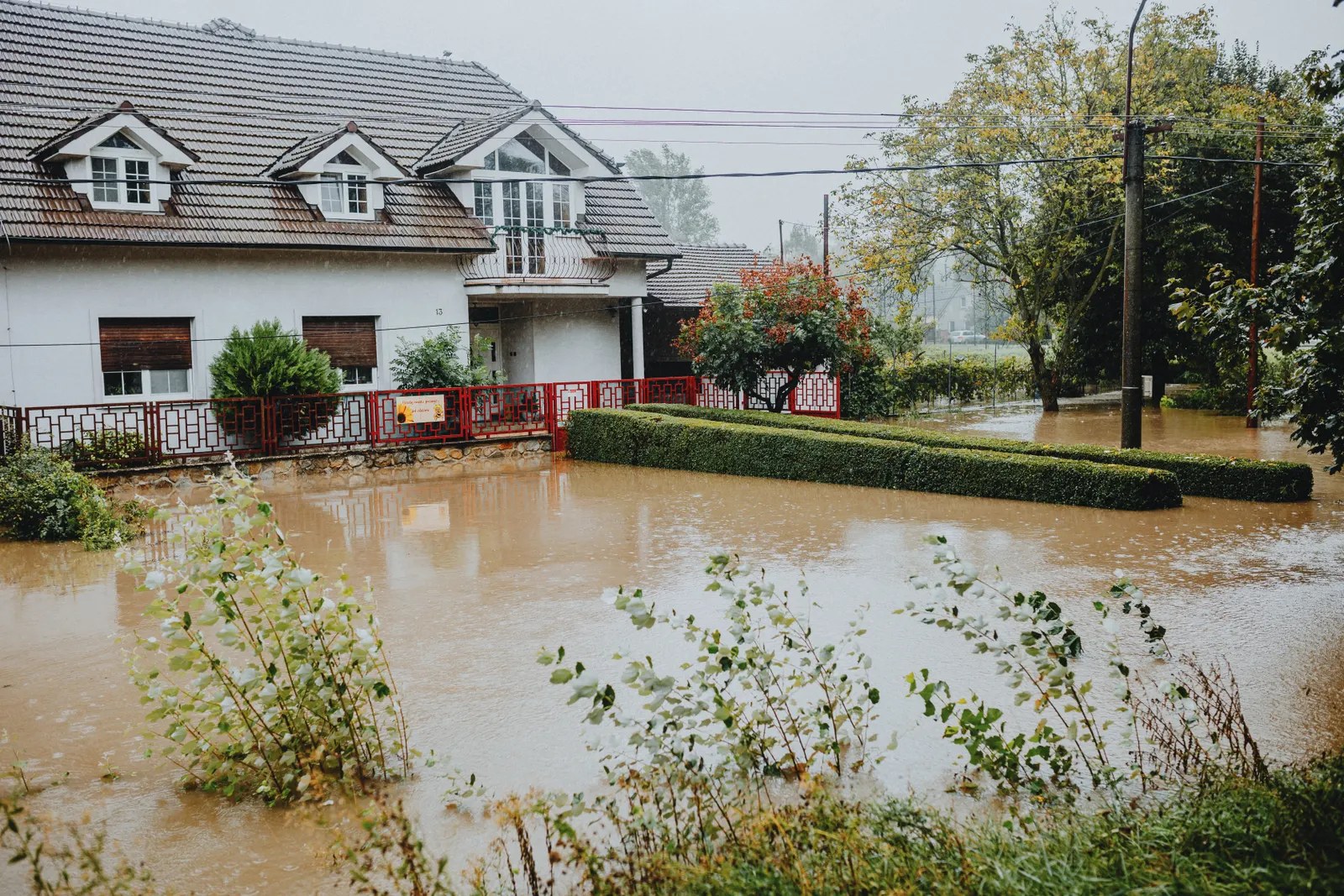
Water, Fire & Mold Restoration in Fort Myers, FL
Fort Myers Water Damage Pros is a free referral service that connects homeowners in Fort Myers, Naples, Fort Myers Beach, and North Fort Myers with independent local restoration providers after water, fire, and mold damage. Call and describe what happened — a local provider assesses first, then lays out the next steps clearly.
Once the phone line is live, you'll be connected with a local restoration provider — please stay on the line.
See Water Damage Services- Water, fire & mold restoration
- Fort Myers, Naples & nearby areas
- Assessment first, then a clear plan
Restoration Help for Southwest Florida Homes
Fort Myers Water Damage Pros connects callers with independent local providers for water damage restoration, fire damage restoration, and mold removal in Fort Myers, Naples, Fort Myers Beach, and North Fort Myers, Florida. If water is still moving, walls or ceilings are wet, or mold is smelled after a leak or storm, the first step is an assessment — not a guess about what it will cost or how long it will take.
Southwest Florida is hard on houses. Summer humidity sits at 70 to 90 percent, afternoon storms push rain under roofs and into lanais, canals and retention ponds overflow, and air conditioners in seasonally empty homes fail quietly for weeks. When Hurricane Ian hit in September 2022, storm surge flooded Fort Myers Beach and the Caloosahatchee riverfront — and many of the homes rebuilt since then are still drying out behind their walls. Restoration here is not a generic service: it has to fit this climate, these houses, and this water.
That is what this site is for. Every page below explains one part of the work in plain language — what it is, what happens first, and what to do while waiting for help. Water damage restoration in Fort Myers covers the most common calls: burst pipes, floods, and roof leaks. Fire and mold help is covered on the fire damage restoration and mold removal pages.
How the Referral Service Works
Three steps, no forms, no waiting for a callback. The call connects the caller with a local provider who can help with the specific problem.
- CallDescribe what happened, where it happened, and when it was first noticed.
- ConnectedThe call is connected with an independent local restoration provider who serves the caller's area.
- AssessedThe provider assesses the damage first, then lays out the next steps clearly — what needs removing, what needs drying, and what needs rebuilding.
What Happens When You Call
The provider asks where the damage came from, when it was first noticed, whether the source is stopped, and which rooms are affected. Photos help if they are available. From there the provider plans the assessment: finding the source, mapping the moisture with meters and thermal imaging, and deciding what is wet, what is damaged, and what can be saved. Local restoration pros typically offer free estimates.
Services Available
Three services, one process: assess, then extract or contain, then dry or remediate, then restore.
Water Damage Restoration
Water removal, water extraction, flood damage restoration, burst pipes, sewage cleanup, storm damage cleanup, structural drying, and hidden water behind walls and ceilings.
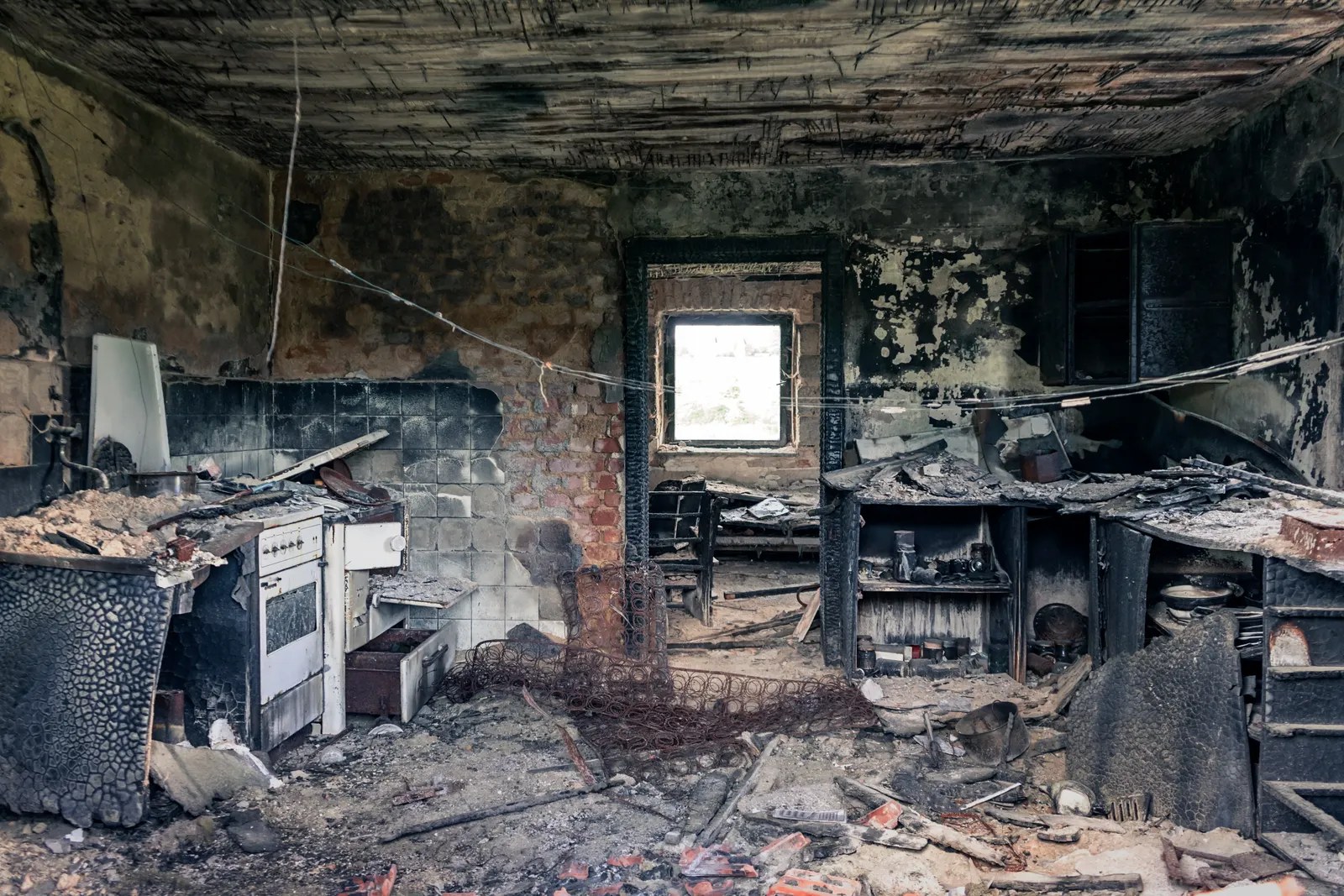
Fire Damage Restoration
Damage assessment, debris and soot cleanup, board-up and roof tarping, smoke and odor removal, contents cleaning, and repairs after firefighting water.
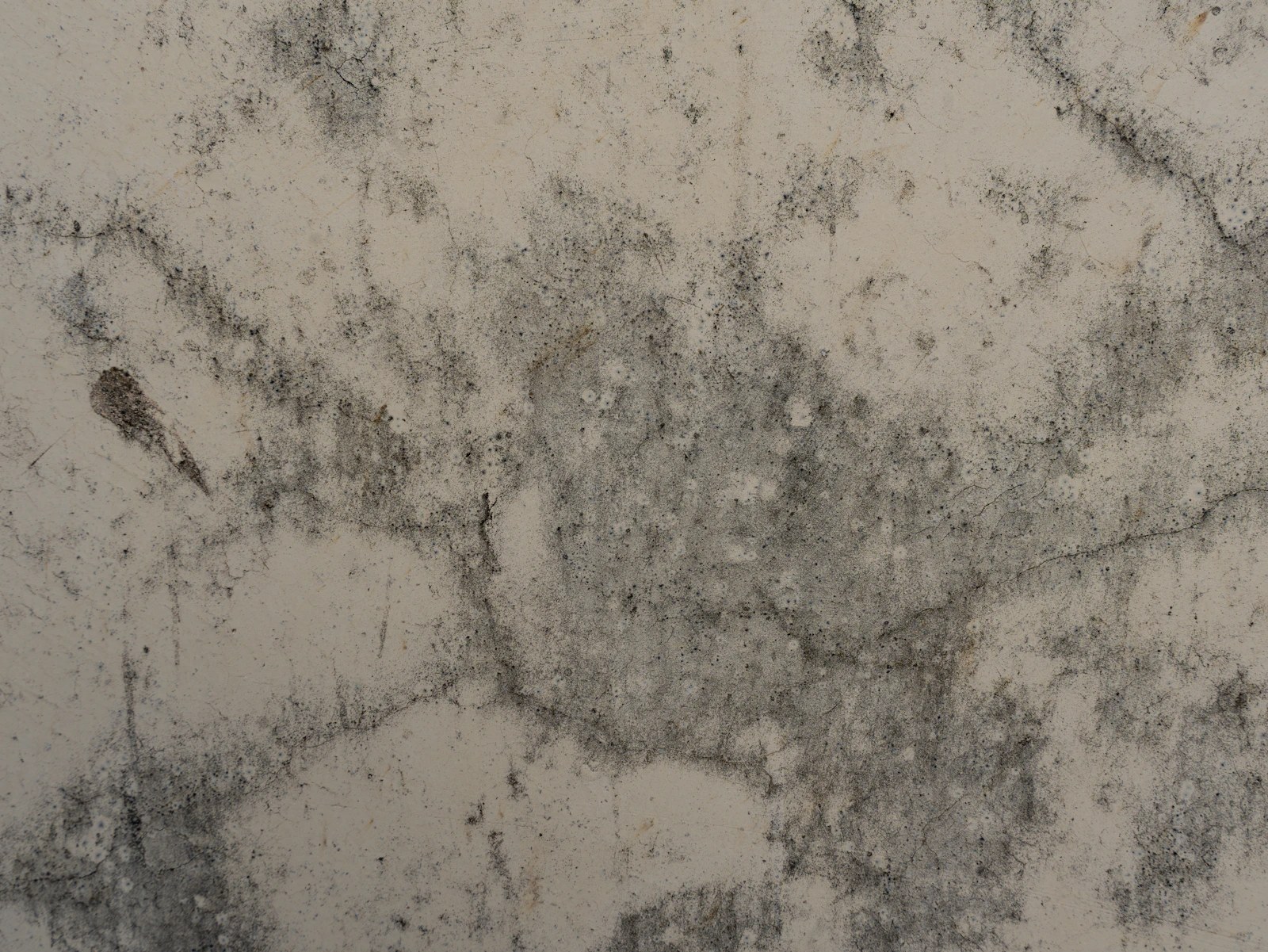
Mold Removal
Mold inspection, containment, removal, HEPA filtration, drying, and fixing the moisture source — because mold comes back if the water problem stays.
Not sure which one applies? Water damage often leads to mold, and fire damage almost always includes water from firefighting. Start on the page that matches what happened, and the assessment sorts out the rest.
When to Get Help Now
If any of these are true, do not wait for it to dry on its own — it will not, and the damage spreads while waiting.
- Water is still moving — a burst pipe, a failed supply line, or storm water coming in.
- Standing water on floors, in a garage, or under a house.
- Wet walls, ceilings, or floors — including sagging drywall or bubbling paint.
- A musty or sour smell after a leak, even if no mold is visible.
- Storm or flood water entered the house — floodwater is contaminated water.
- Fire, smoke, or soot anywhere in the house, even in rooms the fire did not reach.
What to Do While Waiting for Help
If it is safe to do so: stop the water at its source, keep people and pets out of contaminated water, photograph and video every affected room before moving anything, and move valuables to a dry place. Cut power to wet areas only from a dry spot. Do not enter water that may be sewage or floodwater, and do not run the air conditioner if mold or smoke may be in the ducts.
How Restoration Works
Local providers follow the same four steps on every job, whether the cause was a burst pipe, a kitchen fire, or a roof leak that fed mold for a month.
- AssessFind the source, map the moisture with meters and thermal imaging, and decide what is wet, what is damaged, and what can be saved.
- Extract or containRemove the water, or contain the mold or soot, so the damage stops spreading to clean areas of the house.
- Dry or remediateDry the structure with air movers and dehumidifiers until moisture readings confirm it is dry — or remove contaminated materials and clean what remains.
- RestoreRepair and rebuild what was removed: drywall, flooring, trim, and finishes, back to how the room was.
About cost: costs vary by the water category, the size of the wet area, and what has to be removed and rebuilt. Only an assessment fixes a price for a specific job. Local restoration pros typically offer free estimates.
Fort Myers, Naples & Nearby Areas
Local providers serve homes, condos, townhomes, apartments, vacation rentals, and small commercial properties across Lee County and Collier County.

Fort Myers, FL
The main city — 13 ZIP codes, from downtown and the riverfront to Gateway and Buckingham. Hurricane surge, canal flooding, and AC leaks in seasonal homes.

Naples, FL
16 ZIP codes. High mold risk from humidity, storm flooding, and sewage backup in condos and vacation homes.

Fort Myers Beach, FL
Barrier-island homes, condos, and vacation rentals exposed to surge and storms — including the long Ian rebuild.

North Fort Myers, FL
Inland homes and neighborhoods where retention ponds and heavy rain decide what floods.
Insurance: What to Know Before Calling an Insurer
Sudden and accidental water damage — a burst pipe, an appliance failure, storm damage — is usually covered by homeowners insurance. Gradual leaks and neglect usually are not. Rising floodwater is not covered by a standard homeowners policy at all; it needs separate flood insurance. Many policies also cap mold coverage.
Whatever the policy says, two things protect a claim: acting fast, and documenting everything. Photograph and video the damage before cleanup, keep the assessment report, and keep records of drying — moisture readings and daily logs are what insurers ask for. Local providers document the damage and the drying process so those records exist.
This is general information, not insurance advice. The policy and the cause of the damage decide what is covered.
Frequently Asked Questions
How much does water damage restoration cost in Fort Myers?
Costs vary by the water category, the size of the wet area, and what has to be removed and rebuilt. Only an assessment fixes a price for a specific job. Local restoration pros typically offer free estimates. The water damage restoration page explains what decides the scope of a job.
How fast does mold grow after water damage?
Mold can start growing within 24 to 48 hours of moisture in Southwest Florida humidity. That is why drying starts right away: the first day decides whether a water job stays a water job or becomes a mold job too. If mold is already visible, see the mold removal page.
Does homeowners insurance cover water damage?
Sudden and accidental water damage — a burst pipe, an appliance failure, storm damage — is usually covered. Gradual leaks, neglect, and rising floodwater usually are not; floodwater needs separate flood insurance. Coverage always depends on the policy and the cause, so documenting everything and keeping the assessment report helps with a claim.
How long does it take to dry out a house after flooding?
Structural drying typically takes 3 to 5 days with professional drying equipment, and longer in Southwest Florida summer humidity. Equipment comes out when moisture readings confirm the structure is dry, not when surfaces feel dry to the touch.
What should I do first after water damage?
If it is safe, stop the water at its source, keep people out of contaminated water, photograph and video everything before moving things, and move valuables to a dry place. Then call for an assessment. Do not wait: the first 24 hours decide how far the damage spreads.
Can I dry water damage myself with fans?
A small spill on a hard floor, yes. Soaked drywall, wood, carpet padding, or water inside a wall cavity, no — fans alone move air but do not confirm dry. That needs extraction equipment, dehumidifiers, and moisture readings to confirm the structure is actually dry.
What are the signs of hidden water damage?
A musty smell, bubbling paint, sagging drywall, a stain that keeps coming back, warped or cupped flooring, and dampness behind baseboards. Moisture detection with meters and thermal imaging finds water behind walls and under floors before it becomes mold.
What should I NOT do after water damage?
Do not wait for it to dry on its own — in Florida humidity it will not, and mold can start within 24 to 48 hours. Do not use a household vacuum on standing water. Do not paint over a wet stain. Do not throw items away before photographing them for the claim. Do not ignore a musty smell a day later.
Flood insurance vs homeowners insurance — what's the difference?
A standard homeowners policy usually covers sudden and accidental water damage, like a burst pipe or storm damage, but not rising floodwater. Floodwater needs separate flood insurance. Flood policies also do not cover mold. The policy and the cause of the damage decide what is covered.
How is smoke removed after a fire?
Smoke is removed in steps matched to the residue and the material: dry cleaning with chemical sponges and HEPA vacuuming first, then wet cleaning where the material allows it. HVAC pathways are checked, because smoke travels through ducts. Odor treatment comes after the source is removed — not before.
How can mold be prevented after water damage?
Stop the water source, extract the water, and dry thoroughly before the 24 to 48 hour window closes. Hidden pockets behind cabinets and drywall matter most. Keep indoor humidity below 60 percent once the structure is dry.
How do I choose a restoration company in Fort Myers?
Look for an assessment-first approach, documented drying with moisture readings, a clear written scope before work starts, and local experience with Fort Myers homes. Verify each provider's license and insurance before hiring. Be wary of anyone who promises a price or a timeline before an assessment.
Which areas do local providers serve?
Fort Myers, Naples, Fort Myers Beach, and North Fort Myers in Lee County and Collier County, Florida. The full ZIP list is on the locations page.
Start With an Assessment
Call and describe what happened, where it happened, and when it was first noticed. A local provider assesses first, then lays out the next steps clearly — no guesswork, no pressure. Local restoration pros typically offer free estimates.
Once the phone line is live, you'll be connected with a local restoration provider — please stay on the line.